
Wednesday, July 15, 2026
Purification Strategies for mAbs and Emerging Modalities Track | 9:00 AM SGT
9:00AM | A Two-Step Approach Using a Mixed-Mode Resin for mAb Purification
Monoclonal antibodies (mAb) increasingly form the majority share of the product pipeline of major biopharmaceutical companies. Challenges in the purification of monoclonal antibodies (mAbs) include reducing production cost, developing robust processes for both product purity and viral clearance, and integrating upstream and downstream processes.
Traditional monoclonal antibody purification platform include three chromatography steps. Protein A chromatography is first used for capture of the product followed by two chromatography steps to remove host-cell proteins, DNA, charged variants, and aggregates.
Alternatively, a well-optimized chromatography step with Nuvia™ aPrime Media, a mixed-mode chromatography resin, can eliminate an entire step of the process, allowing the development of a two-step strategy following capture using protein A. This two-step strategy decreases production costs significantly by reducing process time, buffer consumption, media costs, while at the same time increases product yield.
Speaker:
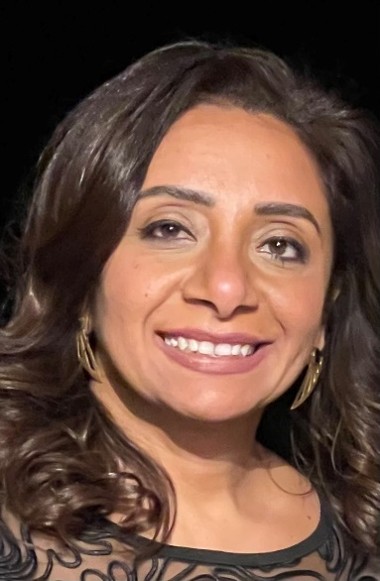
Marian Magdy, R&D Purification Manager, R&D Biopharmaceutical Process Development Department, Minapharm Pharmaceuticals
9:20AM | Developing Bespoke Purification Strategies for Challenging Biologics
Downstream purification of biologics can be complex and is heavily dependent on the properties of the molecule. Where similar classes of molecules are manufactured regularly, platform processes and standard approaches can be useful. However, where biologics with unusual properties are involved, developing downstream purification processes can have unique challenges. Fujifilm Biotechnologies develops manufacturing processes for a wide range of biologic molecules, from simple microbial proteins to complex mammalian multimeric proteins. This study examines the challenge involved in developing a process for a particularly challenging molecule and transferring this process to large scale cGMP manufacture.
Speaker:
Christopher Fox, MSc, Senior Technical Project Leader, Process Development
FUJIFILM Biotechnologies
9:40AM | Enhancing Bispecific and Trispecific Antibody Purification Using Mixed-Mode Chromatography
Bispecific antibodies (BsAbs) and trispecific antibodies (TsAbs) have emerged as promising therapeutic modalities due to their ability to simultaneously engage multiple targets. However, compared to conventional monoclonal antibodies, BsAbs and TsAbs present significantly greater purification challenges arising from their structural complexity and format diversity. These challenges often lead to heterogeneous product-related impurities and closely related variants that are difficult to resolve using traditional chromatographic approaches.
Mixed-mode chromatography offers a powerful solution by combining multiple interaction mechanisms, thereby enabling enhanced separation resolution and selectivity. In particular, CHT™ ceramic hydroxyapatite, a mixed-mode chromatographic medium that integrates cation exchange and metal affinity interactions, has demonstrated strong capability in separating complex biomolecular mixtures. CHT is especially effective in the simultaneous removal of aggregates, host cell DNA, and other process-related impurities within a single purification step.
This study highlights the potential of mixed-mode chromatography, with a focus on ceramic hydroxyapatite, as a robust and efficient platform for addressing the unique downstream processing challenges associated with BsAbs and TsAbs. Case studies are presented to illustrate strategies for leveraging CHT in BsAbs and TsAbs purification.
Speaker:

Zhang Wei, PhD, Principal Scientist, Group Leader, Downstream Processing, A*STAR Bioprocessing Technology Institute, Singapore
Regulatory Strategy Track | 10:00 AM SGT
10:00AM | Early Development of a Global Regulatory Strategy
Developing a global regulatory strategy early in the product development lifecycle is critical to ensuring efficient approvals, minimizing delays, and maximizing market access. This presentation will explore key considerations for aligning regulatory requirements across major health authorities, the importance of early engagement with regulators. We’ll also examine real-world case studies and emerging trends to help stakeholders build a proactive, adaptable regulatory roadmap.
Speaker:
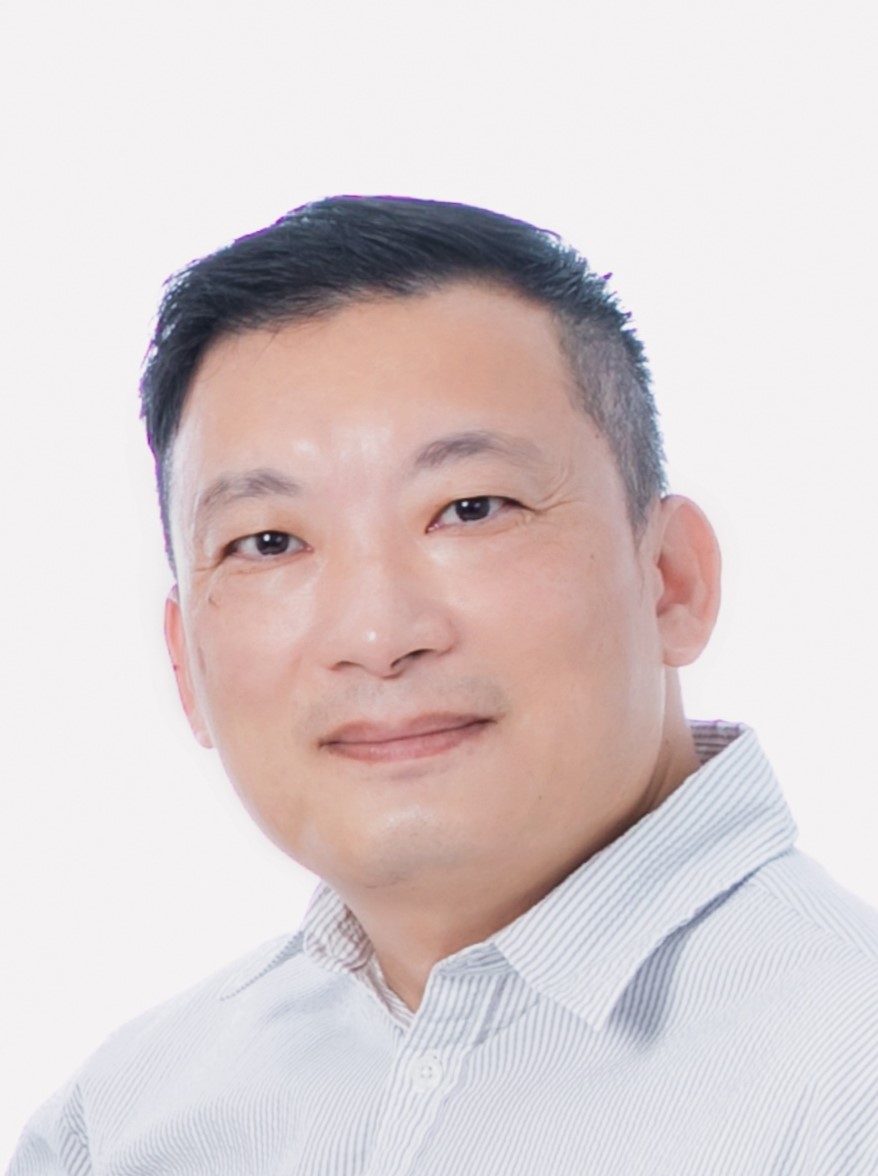
Jack Wong, CEO, RNAscence, and Founder, Asia Regulatory Professionals Association (ARPA), Singapore
Continuous Bioprocessing Track | 11:00 AM SGT
11:00AM | Implementation and Scale-Up of Continuous Chromatography for Biopharmaceuticals
This presentation will showcase two case studies demonstrating the implementation of continuous column chromatography at increased manufacturing scale, with a focus on performance, efficiency, and operational impact compared with traditional single-column chromatography approaches. Key advantages of continuous processing will be highlighted, including improvements in productivity, resin utilization, and process economics, while also addressing practical considerations for scale-up and implementation. In addition, detailed cost analyses will be presented to illustrate the potential financial benefits and manufacturing efficiencies enabled through continuous chromatography strategies.
Speaker:

Hirohisa Takeuchi, PhD, Associate Scientific Fellow, Biotherapeutics Process Development, Takeda, Japan