
Register today for the free-to-attend BPI Fall Digital Week. Gain insights into overcoming the biggest challenges in biologics development, from increasing product complexity and tighter timelines to scalability, cost and regulatory readiness. Discover practical strategies to reduce risk, improve efficiency and accelerate the path from development to clinic. To learn about sponsorship of future events, contact partners@informaconnectls.com
Day 1 - November 16, 2026
Building a BsAb CMC Playbook: Decision Frameworks, Risks, and Readiness
9:00 AM ET
Early, well informed CMC choices can reduce costs, compress timelines, and build investor confidence by de risking scale up and approval. Bispecific antibody formats are diverse, limiting broadly applicable platform approaches to process development and posing distinct CMC challenges (aggregation, fragmentation, homodimers, mis paired/partially assembled species). Coupled with typically lower titers, these factors drive variability, complicate purification and analytics, and raise costs. This session presents a practical framework: a predict first bioinformatics review (pI, surface hydrophobicity, chemical liabilities) to assess platform fit and guide workflow selection; upstream chain balancing during cell line development to promote correct assembly; and downstream high throughput screening to select charge or affinity led purification resolving heterodimers, homodimers, and HMW species, with supporting analytics. Case studies show gains in purity, yield, and reproducibility, and standardized, scalable unit operations that enable efficient translation to the clinic. With these variables, flexibility in scale can aid a successful path from development to commercial launch.
In this webinar you will learn about:
- How to recognize BsAb-specific CMC risks and their impact.
- The use of predict-first bioinformatics (pI, hydrophobicity, liabilities) for platform fit.
- Creating a decision framework/readiness checklist for scale-up and IND entry.
- Planning flexible scaling and tech transfer from development to launch.
Speaker:

Jonathan Haigh
Senior Vice President, Head of UK Sites
FUJIFILM Biotechnologies
View More Details +
Faster to Titer: How Integrated Seed Train and Media Optimization Enables Sustained Fed-Batch Intensification
10:00 AM ET
Upstream bioprocess intensification aims to bolster volumetric productivity of biologics manufacturing, thereby boosting cost efficiency and expediting speed to market with potential to improve facility utilization. Intensified fed-batch (IFB) processes, in which a bioreactor vessel is inoculated at a higher initial cell density and then maintained in a fed-batch process, achieves this increase in productivity by reducing the length of the bioreactor lag or growth phase and shifting more resources towards the production phase.
In this webinar, we demonstrate how OPM-CHO cell culture media and feeds, including a purpose-built perfusion medium, enable generation of high viable cell densities during N-1 seed train expansion thus facilitating inoculation of IFB processes. Furthermore, we establish that OPM-CHO products can sustain subsequent N-stage fed-batch processes for extended production of biosimilar monoclonal antibodies (mAbs). These results showcase how an integrated N-1 seed train expansion and N-stage production medium optimization strategy strengthened by the OPM-CHO portfolio powers upstream bioprocess intensification to increase productivity and improve manufacturing efficiency for biologics.
Speaker:
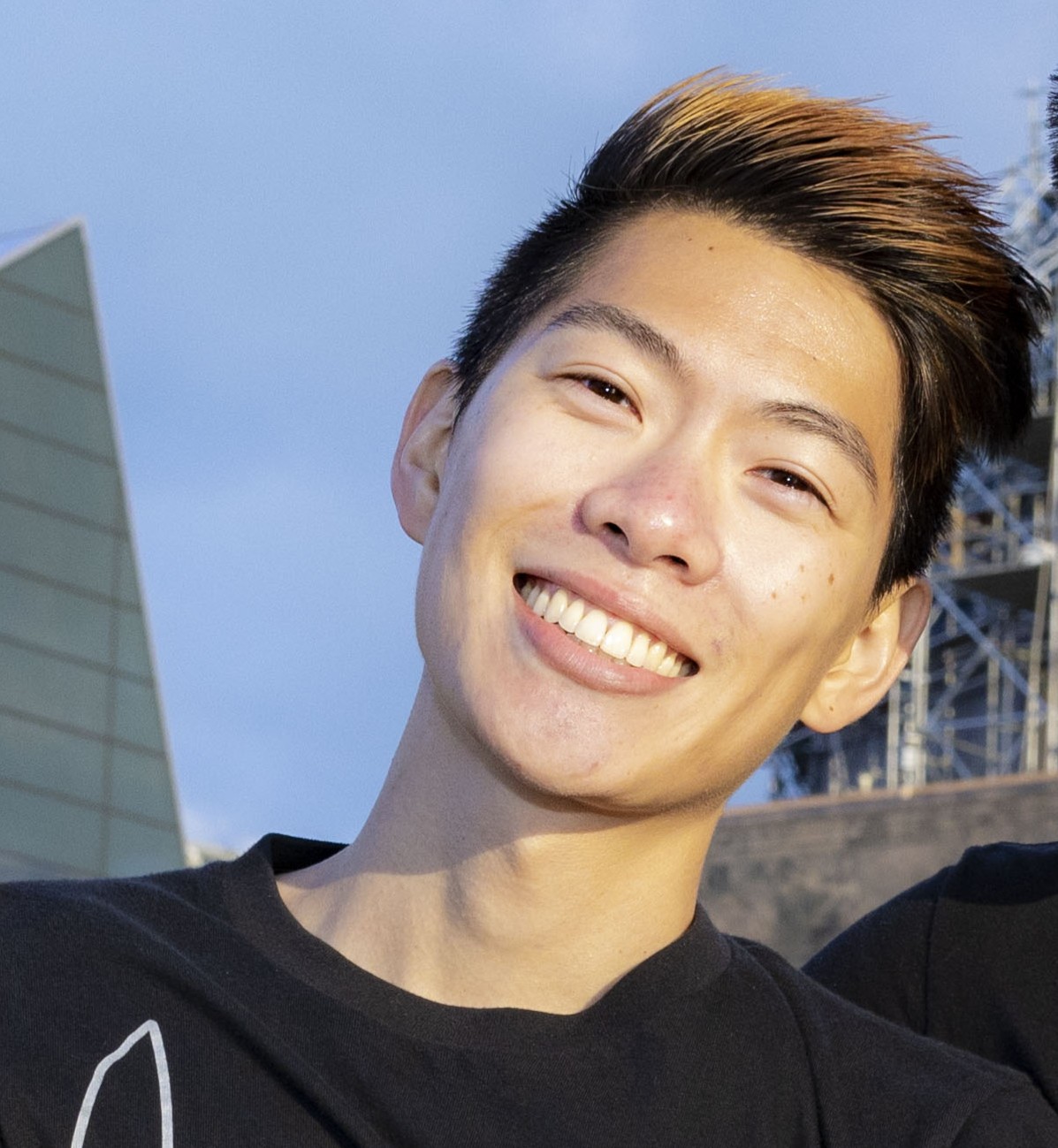
Jimmy Su
Senior Technical Support Specialist
OPM Biosciences
View More Details +
Engineering Affordability into Biologics: Strategies to Reduce Manufacturing Complexity and COGS
11:00 AM ET
The cost of biologics manufacturing remains a major barrier to broader patient access despite significant advances in therapeutic innovation. Sustainable COGS reduction requires moving beyond incremental process improvements toward a holistic, integrated approach spanning molecule attributes, cell line development, process design, and manufacturing scalability. This presentation will explore strategies to improve COGS through integrated CMC planning, enhanced cell line and process development, data-driven process understanding, and the systematic application of prior manufacturing knowledge. It will also examine how predictive approaches can reduce experimental burden, improve process robustness, and accelerate technology transfer and scale-up.
Speaker:

Kumar Dhanasekharan, PhD
President and CEO
Gokyo Biosciences Inc.
View More Details +
Day 2 - November 17, 2026
When Speed and Complexity Converge: Accelerating DNA-to-IND Development for Next-Generation Biologics
9:00 AM ET
As the biologics landscape evolves, developers often face two converging pressures: the need to advance programs to the clinic faster and the growing prevalence of increasingly advanced therapeutic formats such as bispecific antibodies, Fc-fusion proteins and high-concentration formulations. While these molecules offer new opportunities to address unmet patient needs, they can also introduce additional development and manufacturing considerations that challenge traditional timelines.
This presentation explores how integrated development strategies together with molecule- and phase-appropriate approaches can help address these evolving demands and accelerate the path from DNA to IND. Through case studies and practical examples, attendees will gain insight into the scientific and operational enablers that support accelerated development, including cell line development, expression technologies, platform methods, and coordinated CMC activities.
Participants will learn how early development strategies can influence speed, scalability, and regulatory readiness, and how our approach can help reduce timelines while maintaining confidence in product quality and manufacturability. Join us to explore how today's innovators can navigate the intersection of speed and complexity to advance today’s biologics with greater efficiency and confidence.
Speaker:
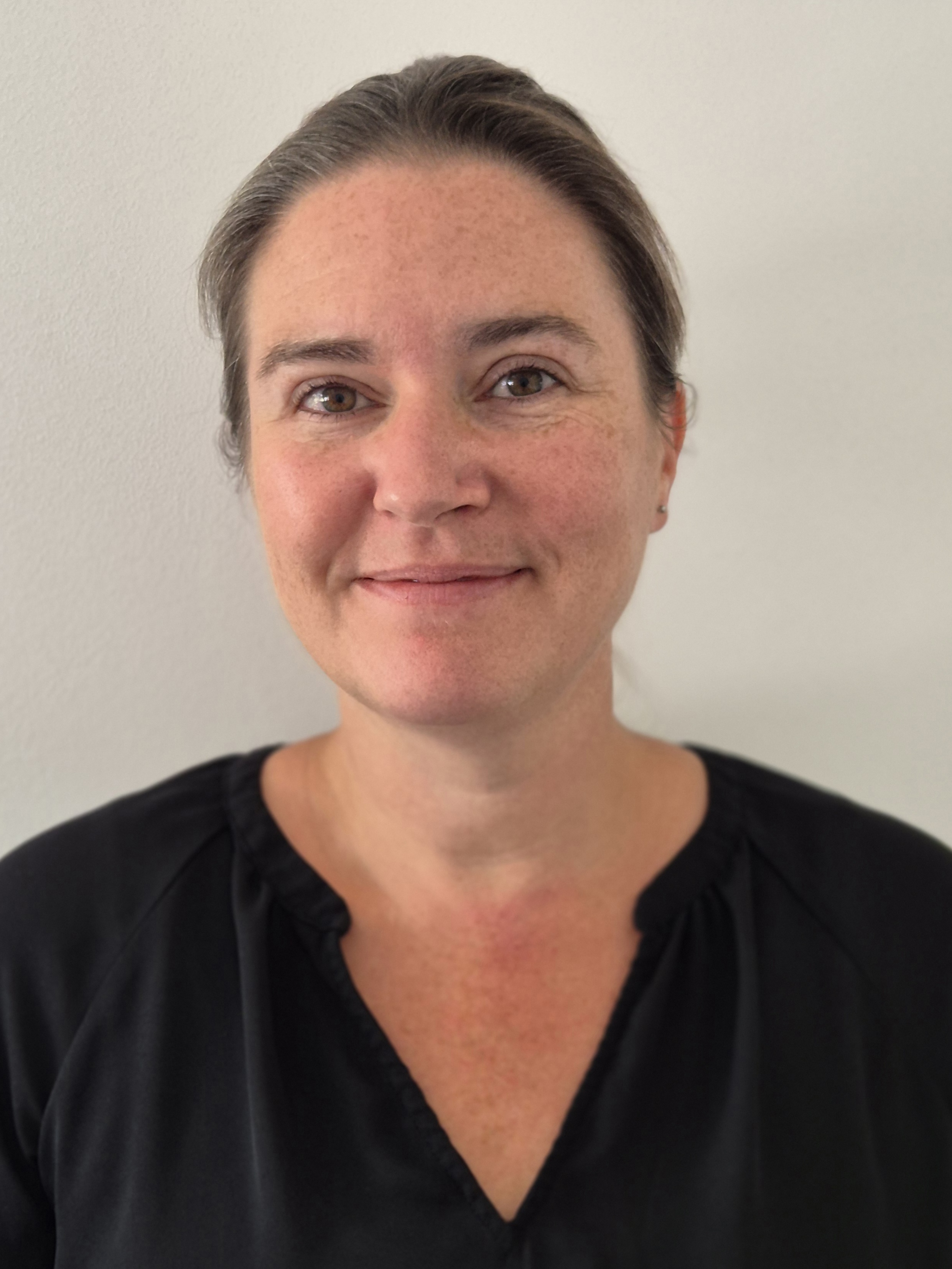
Megan Mason
Global CMC, Process Development Lead
Lonza
View More Details +
Rethinking Selectivity: Mixed-Mode Chromatography Across the Bioprocessing Landscape
10:00 AM ET
Bioprocessing is evolving, and downstream separation strategies are changing with it. This two-part series explores how mixed-mode chromatography can offer new dimensions of selectivity across diverse therapeutic modalities, from complex proteins to mRNA, with practical examples demonstrating its role in downstream process development.
Evaluation of a New Multimodal Anion Exchange Resin for Emerging Biotherapeutic Process ChallengesMultimodal chromatography has a history of providing value for biopharmaceutical separations. Ligands that enable binding based on both charge and hydrophobic interactions provide more opportunity for effective separation of multiple product- and process-related impurities. However, more diverse protein therapeutics and evolving expression systems present separation challenges that may not be easily addressed by commercially available multimodal resins.
As an alternative to current multimodal anion exchange (MMAEX) resins with quaternary ammonium groups, Bio-Rad’s new Nuvia™ wPrime 2A Resin offering provides MMAEX functionality with a weak anion exchanger.
This webinar will discuss several molecules that were prioritized for high-throughput evaluation of Nuvia wPrime 2A Resin, including an IgG1 monoclonal antibody (mAb), IgG4 mAb, and a bispecific antibody (bsAb), with extra focus placed on proteins with low isoelectric points (pI) and known strong binding to alternative MMAEX resins. High-throughput screening in flowthrough mode was performed to assess product binding across a broad operating space. One resin was scaled up and further evaluated using miniature columns to assess impurity removal. Results indicate strong aggregate and host cell protein clearance in flowthrough mode across a range of conditions, including effective removal of some high-risk host cell proteins. Compared to MMAEX resins with Q functionality, low pI proteins bound less, allowing higher yields. Moving forward, Nuvia wPrime 2A Resin can be a promising polishing option for diverse protein therapeutics, with protein properties guiding experimental design.
Key Takeaways:
- The ability to modulate the resin's charge state provided a wide‑design space.
- Screening results showed improved yields and reductions in impurities compared to traditional strong ion exchange and strong AEX‑HIC resins.
Speaker:

Michael Rauscher, MS
Associate Principal Scientist,
Biologics Process R&D
Merck & Co., Inc.
mRNA vaccines have emerged as a promising technology for a number of applications, from prophylactic and cancer treatments to metabolic and genetic diseases. This is mostly attributed to the high precision and perceived safety as well as flexible manufacture of these vaccines. mRNA is produced in a cell-free system, in vitro transcribed by a RNA polymerase, that uses nucleotides and DNA template as substrates. This cell-free reaction can be optimized achieving yields of over 14 gRNA.L-1 under one hour. With ever increasing mRNA titres and RNA modalities, the production of product- (e.g. double-stranded RNA, dsRNA) and process-related (e.g. DNA template, and free NTPs) impurities will increase.
In particular, the removal of dsRNA is critical due to the strong immune response in the presence of this impurity, as well as to the translation inhibition and uncontrolled immune-inflammatory responses. To ensure the removal of this impurity and a high pure mRNA, multiple unit operations are employed such as filtration and chromatography. However, a complete separation of mRNA from dsRNA is difficult to achieve owing to their physicochemical similarity. Thus, to enable mRNA technology to reach its full potential, establishing cost-effective and flexible manufacturing processes are required.
This webinar will showcase the use of multimodal chromatography for the separation of mRNA from challenging impurities such as dsRNA. By focusing on impurity profiles, binding conditions were optimized to allow flow-through of major process and product-related impurities, while maximizing mRNA binding. Further optimization binding conditions led to improved mRNA recoveries. Final process conditions allowed to obtain mRNA recovery yields of >80% and purity >88%. Additionally, over 65% of the dsRNA is removed, and no detectable amounts of DNA are found in the purified samples. This streamlined purification method enables the isolation of high quality mRNA in a single chromatography step, eliminating the need for multiple purification stages within the mRNA manufacturing platform. This approach has the potential to significantly reduce processing time and lower manufacturing costs, making the platform more attractive for a range of applications.
Key Takeaways:
- mRNA vaccines are produced in a simple, flexible, and high-yield cell-free process, but deliver a high number of process and product-related impurities
- Multimodal chromatography presents higher selectivity to separate impurities that are physiochemically similar to mRNA compared to affinity chromatography
- Optimization of binding and elution conditions allows to deliver a one-step process where a final, highly pure mRNA is obtained.
Speaker:

Sara Sousa Rosa, PhD
Research Fellow
UCL Biochemical Engineering
View More Details +
Beyond the Kozak Sequence: An Extended Translation Initiation Sequence (eTIS) for Higher-Yield, Higher-Fidelity Protein Expression
11:00 AM ET
Expression platforms optimize vectors, host cells, UTRs and codon usage, yet translation initiation, a rate-limiting step in protein synthesis, is still guided by the 40-year-old Kozak consensus sequence, a short sequence flanking the start codon. Here, using massively parallel reporter assays, machine learning and high-resolution structural analysis, we identified a greatly improved start-codon sequence grammar: the 'extended translation initiation sequence', or eTIS. eTIS-guided mRNA design improves start-codon recognition to >99%, strongly suppresses off-target protein production and increases protein output without changing the encoded protein. Across therapeutic protein and vaccine-antigen constructs, we observe typical expression gains of 15–40%, with several-fold gains in some cases. This talk will discuss the mechanism of eTIS-driven translation initiation and how eTIS can be integrated into biologics expression workflows to improve yield and product quality.
Speaker:

Marvin E. Tanenbaum
Group leader, Hubrecht Institute and Oncode Institute
Professor, Dept. of Bionanoscience, TU Delft
Hubrecht Institute
View More Details +
Day 3 - November 18, 2026
Informed Clone Selection through Integrated, CQA-Driven Decision-Making in Early Cell Line Development
9:00 AM ET
Early clone selection typically relies on clonality, growth and productivity, but these measures provide only a partial indication of suitability for downstream development and scale-up. This presentation describes an integrated workflow performed on a single benchtop instrument, broadening early clone assessment beyond these established criteria. Beginning with single-cell seeding and image-based evidence of clonality, the workflow tracks clonal outgrowth while integrating cell count, viability and confluence with Fc or Fab titre. These linked measurements enable normalised titre and specific productivity calculations, while early glycan screening introduces product quality attributes before scale-up.
Connecting all measurements at clone level enables conditional triage across clonality, growth, productivity, product quality and scalability potential. Automated analysis, traceability and clonality reporting reduce reliance on manual data handling.
By generating this comprehensive evidence base on a single platform, the approach supports earlier, more informed selection of clones better aligned with downstream development and successful scale-up.
Speaker:

George Hutchinson
International Key Account Manager, Cell Line Development
Nova Biomedical
View More Details +
Trace Amounts, Big Stakes: Automating HCP, Protein A and Residuals Analysis
10:00 AM ET
Join us for a candid conversation with practical insights for analytical scientists who want to strengthen their process impurity control strategy, work more efficiently and generate data they can trust at every step.
Speakers:

Ann-Charlotte Steffen
Principal Scientist
Gyros Protein Technologies
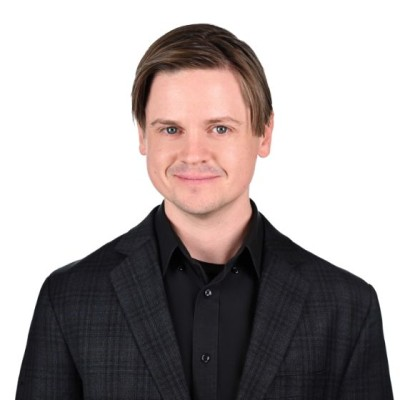
Noah Kopcho
Field Application Scientist
Gyros Protein Technologies
View More Details +