
Register today for the free-to-attend BPI Spring Digital Week. Gain unparalleled insights into biopharmaceutical process development, cell line development, upstream processing, cell culture, downstream purification, digitalization, and more. To learn about sponsorship of future events, contact partners@informaconnectls.com
Day 1 - May 18, 2026 - Cell Line Development, Cell Culture, & Upstream Processing
Partnering for Progress: Scalable Cell Culture Solutions for Animal Vaccines
9:00 AM EDT | 2:00 PM BST | 3:00 PM CEST
Join Corning Life Sciences and CEVA Animal Health for a session exploring scalable cell culture workflows for animal vaccine manufacturing. Corning will host the session, highlighting how they have partnered with CEVA to support cell culture innovation to support critical vaccine development using trusted Corning® solutions.
CEVA, a global animal health leader and long-time customer of Corning, will share practical experience with BHK21 cell culture, from T25 cm² to T175 cm² flasks, with the potential to scale up to Roller Bottles, CellSTACK® , and CellCube® systems. The presentation will walk through the complete workflow commonly used for animal vaccine production, including cell expansion, infection using Rabies virus as an example, harvest, and formulation for animal vaccine applications.
This session offers real-world insight into flexible, scalable technologies that support efficient vaccine manufacturing from development to production.
Speakers:
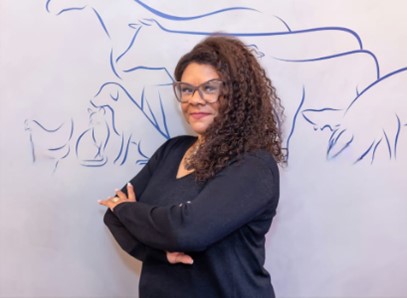
Telma Maria Alves, PhD
Senior Process Improvement Specialist
CEVA Animal Health, Brazil
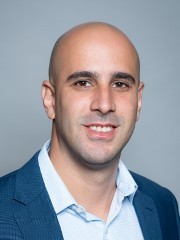
Gustavo Mendes
Senior Cell Biologist, Bioprocess
Corning Life Sciences
View More Details +
Next-Gen CHO “Super” Host with Amino Acid Prototrophy and Metabolic Byproduct-Free Phenotype for Superior Bioprocessing
10:00 AM EDT | 3:00 PM BST | 4:00 PM CEST
Key challenges for developing intensified CHO cell fedbatch processes include supplementing amino acids with low solubility specifically, tyrosine and cysteine, and mitigating growth inhibition due to metabolic byproduct accumulation. To address these issues, using metabolic engineering, we developed a next-gen CHO host that grows in cysteine and tyrosine free medium and produces negligible levels of growth inhibitory byproducts. The presentation will discuss the development of the host and benefits of employing it for portfolio work.
Speaker:
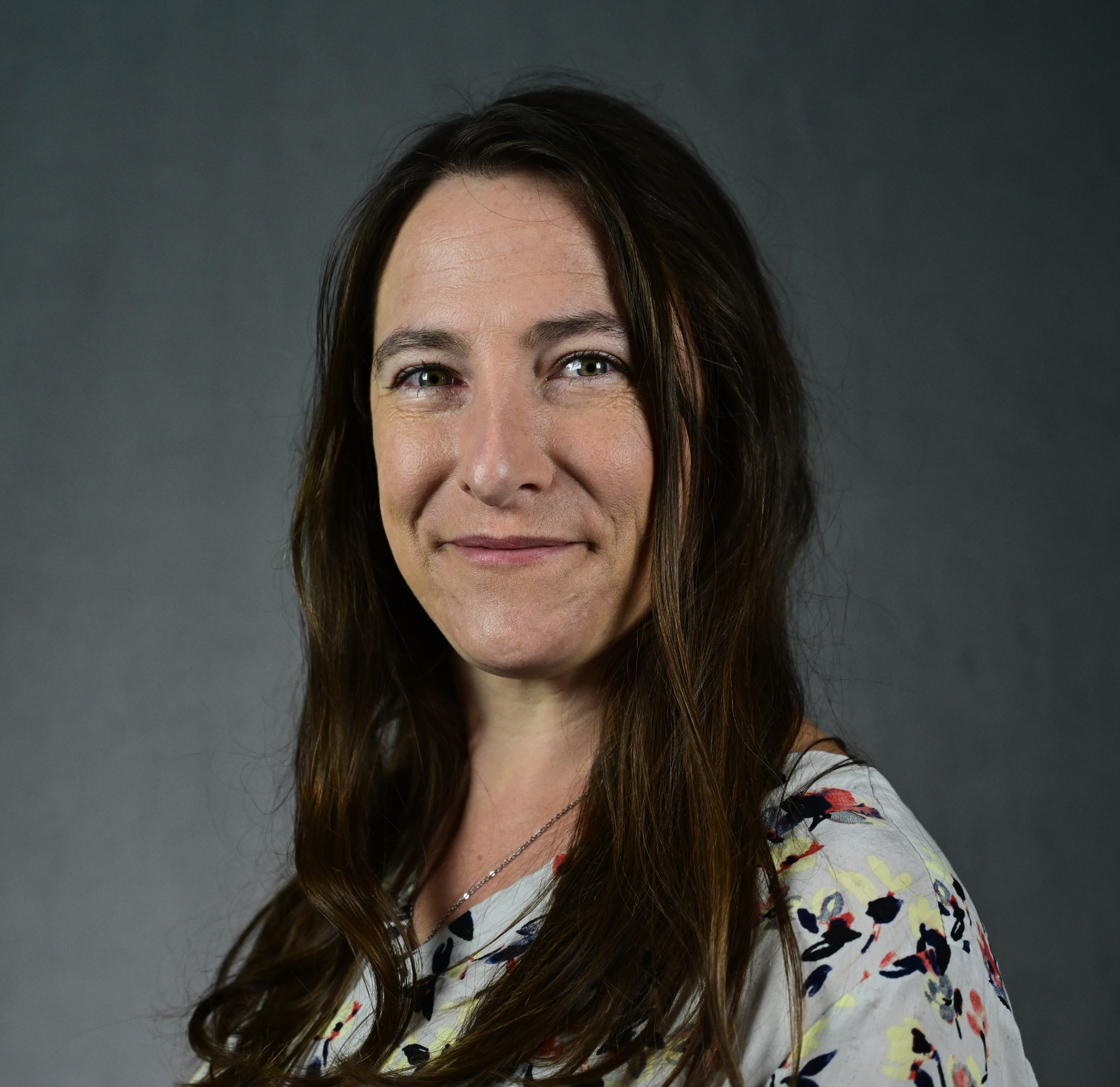
Laura Greenfield
Senior Scientist, Upstream Process Development
Pfizer
View More Details +
Decoding CAR T Biology: Image-Based Spectral Sorting and Functional Resolution with BD Rhapsody™ Single Cell Analysis System
11:00 AM EDT | 4:00 PM BST | 5:00 PM CEST
Chimeric antigen receptors (CARs) often form noncanonical microclusters on T cell membranes rather than classical bull’s eye synapses, influencing signaling and effector function. However, tools to visualize and functionally interrogate CAR spatial organization at the single cell level have been limited. Using imaging flow cytometry on the BD FACSDiscover™ S8 Cell Sorter with BD CellView™ Image Technology, we directly identified, sorted, and characterized CAR T cells based on distinct CAR spatial patterns. BCMA targeting CAR T cells displayed two dominant phenotypes: polarized CAR enrichment and uniformly distributed CAR clusters. Uniform CAR distribution was associated with enhanced antigen specific degranulation, increased cytotoxicity against BCMA expressing U266 cells, and strong CD107a colocalization. Integrated transcriptomic and protein profiling revealed that uniformly distributed CARs correlated with quiescent, stem like signatures, whereas polarized CARs exhibited markers of hyperactivation and exhaustion. These results identify CAR spatial organization as a functional biomarker of CAR T cell fitness and demonstrate its integration into flow cytometry workflows for enriched selection of durable CAR T cells.
Speaker:
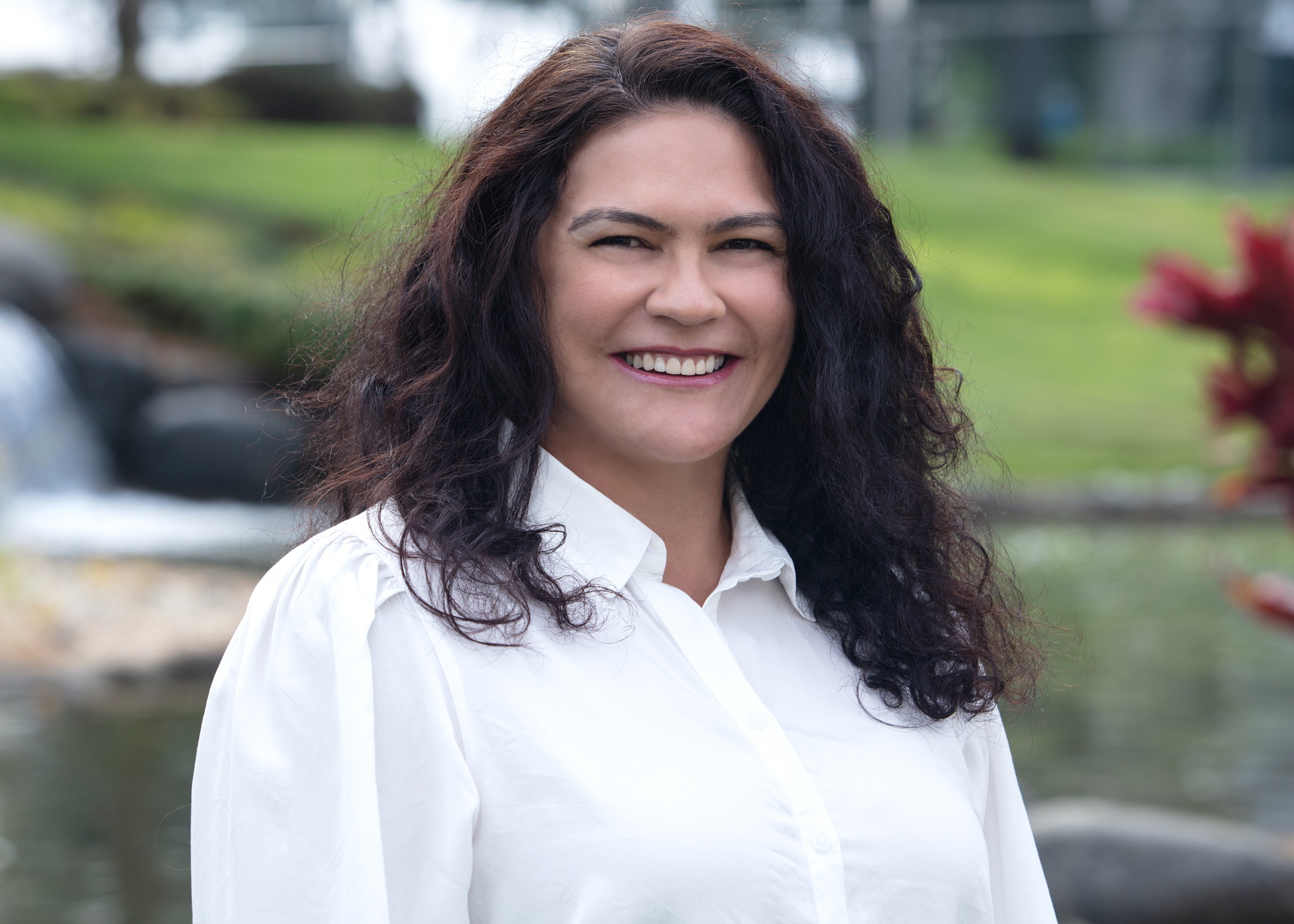
Gisele Baracho, PhD
Sr. Staff Scientist, Scientific Applications
Waters Biosciences, formerly BD Biosciences
View More Details +
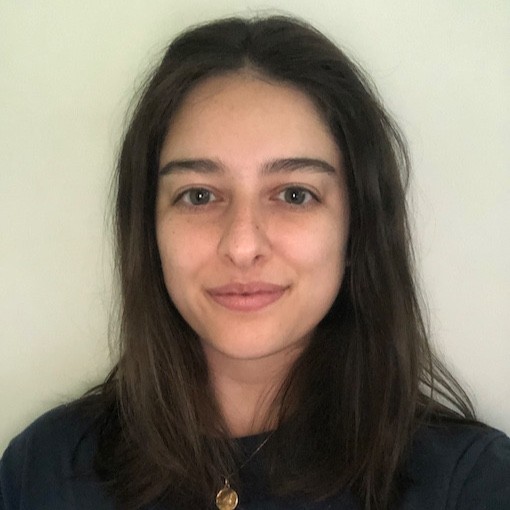
Leveraging Capacitance in Perfusion Bioreactors in the Generation2 Ambr® 250 High Throughput
12:00 PM EDT | 5:00 PM BST | 6:00 PM CEST
Capacitance probes are online bioreactor instruments used to monitor viable biomass. In this study, integrated capacitance probes were used in a continuous CHO cell culture processes in the Sartorius Generation2 Ambr® 250 High Throughput and in 3L perfusion bioreactors. The study evaluated the utility of viable cell volume (VCV) concentrations from online capacitance in small scale perfusion bioreactors in controlling nutrient feed. Unlike traditional once-daily offline measurements, online capacitance sensors can provide continuous measurements throughout the process, allowing for tighter control over process parameters like nutrient levels and target cell densities, and potentially reducing the design space for process robustness. Continuous monitoring by the capacitance probe can be used to trigger a cell bleed and better maintain target nutrient concentration in the bioreactor than our current offline strategy. This increased capability facilitates more frequent media flowrate calculations over the process duration. This study compares two feeding and bleeding strategies. The first strategy utilizes integrated online capacitance and media consumption rates for feeding. The second, more traditional, method is based upon once-daily offline nutrient measurements to maintain a target nutrient concentration in the bioreactor. This paved the way for the leveraging of online calculated OUR (oxygen uptake rate) as a surrogate for online capacitance, meaning that as long as online DO and agitation data is available, nutrient feed flow can be automated.
Speaker:
Lorraine Peters
Associate Scientist
AstraZeneca
View More Details +
Day 2 - May 19, 2026 - Downstream Processing
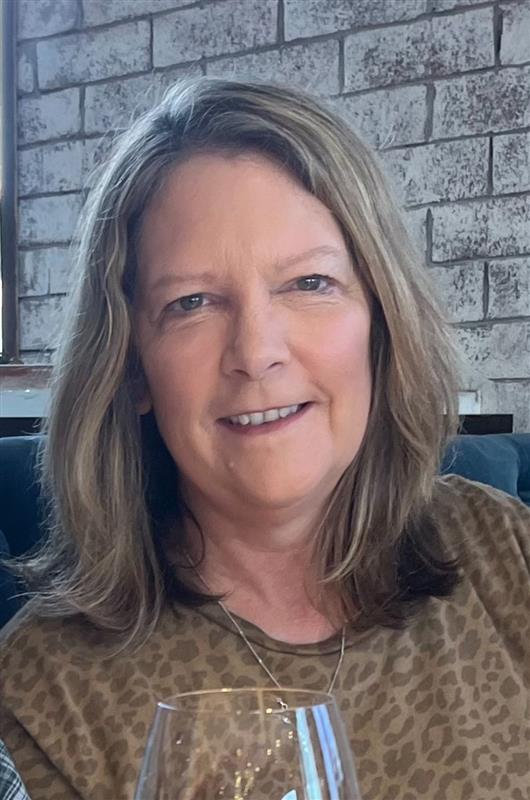
Simplifying Custom Media from Development to GMP with an End-to-End Approach
9:00 AM EDT | 2:00 PM BST | 3:00 PM CEST
Media manufacturing can become a major source of risk as programs move from early development into GMP production, especially when speed, consistency and regulatory readiness must all be maintained. This webinar explores an integrated approach to custom media manufacturing, guiding the transition from non GMP development to GMP production.
In media manufacturing, the move to larger-scale production often introduces new risks that can affect timelines, consistency and supply. The featured speaker will cover strategies for de-risking scale-up as programs move from early development to large-scale commercial supply, even under compressed timelines.
Attendees will gain practical insights into aligning non-GMP prototyping with GMP-compliant manufacturing to support regulatory readiness, protect proprietary formulations and maintain long-term supply continuity across global manufacturing sites. Real world examples will highlight how integrated manufacturing strategies enhance flexibility and accelerate speed to market.
Register for this webinar to learn how media manufacturing supports a smoother transition from development to GMP.
Speakers:

Albert Cheong
Head of Media Development Lab
Lonza Bioscience Singapore
Brenda Friesner
Associate Director, Program Manager
Lonza Bioscience Walkersville
View More Details +
From Gene to GMP—Faster: Innovative Paths in Microbial Process Development for Non-Conjugated and Conjugated Therapies
10:00 AM EDT | 3:00 PM BST | 4:00 PM CEST
Speed and scalability are redefining success in today’s microbial bioprocessing. Join us to explore proven strategies that compress development timelines and de-risk scale-up—from early discovery through GMP. Learn how innovative platforms, including PavewayPLUS™ and ShunzymeX™ streamline development processes. When paired with >30+ years of expertise in developing processes for PEGylated and conjugated biologics, FUJIFILM Biotechnologies has the unique means to support developers to rapidly enter GMP with robust, scalable, and commercially viable processes.
In this webinar, you will learn:
- Practical ways to accelerate the path from gene to GMP without compromising quality
- Strategies to overcome common hurdles in PEGylated and conjugated therapy development
- How FUJIFILM Biotechnologies can support with the challenges you may not expect or understand as you scale.
Reserve your seat to discover how smarter, faster process development can help you bring therapies to patients more effectively.
Speaker:

Kenneth Holbourn
Senior Director, Technical Project Leader Group
FUJIFILM Biotechnologies
View More Details +
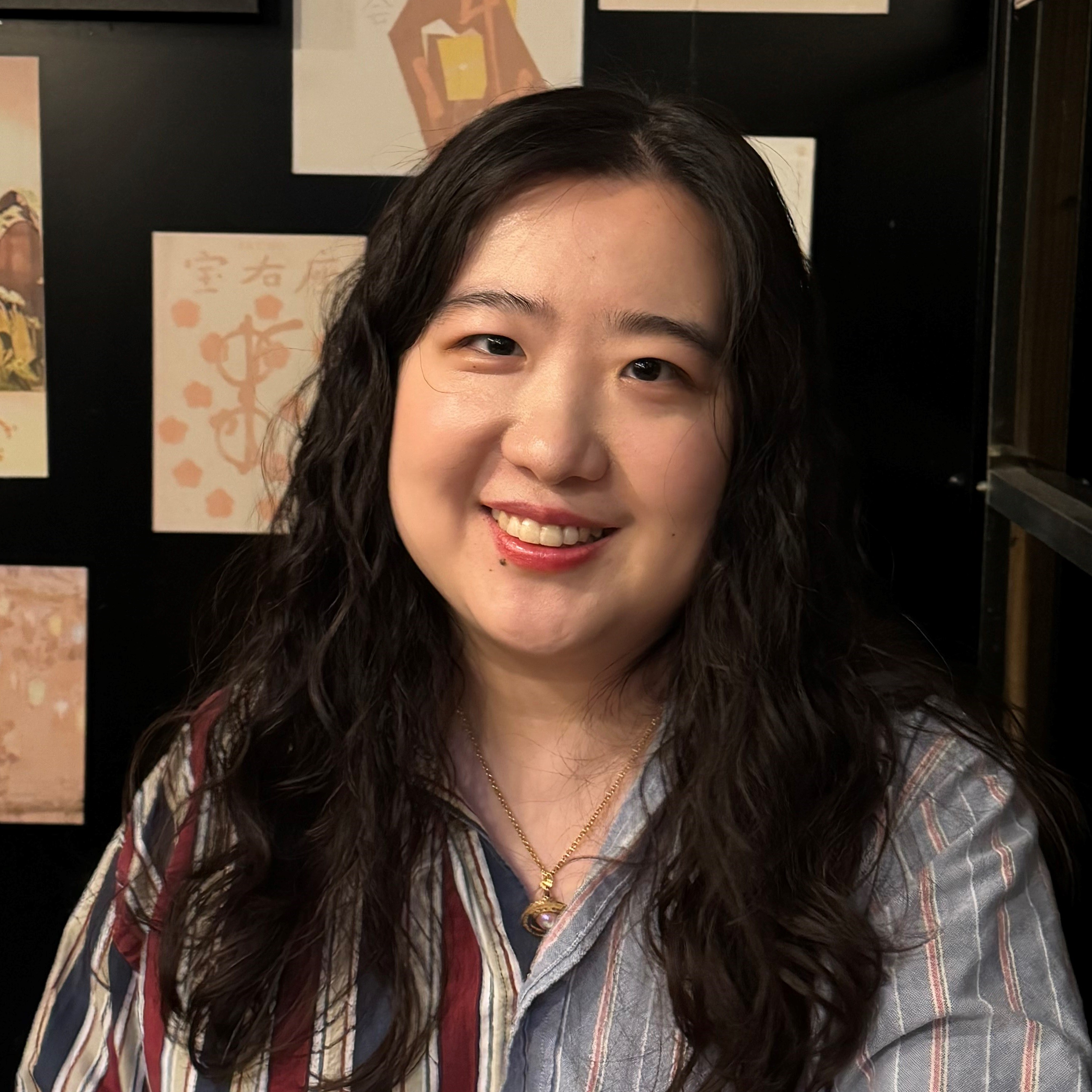
Harvest Development and Optimization using pDADMAC Flocculation
11:00 AM EDT | 4:00 PM BST | 5:00 PM CEST
Technological advances in cell culture processing have not only led to increased cell densities and productivity but also have resulted in increased levels of solids and sub-micron particles from cell debris, which considerably decrease the efficiency of the particle separation through centrifugation during harvest. An innovative harvest method using a cationic polymer, namely pDADMAC, was investigated for its potential to improve particle separation efficiency through centrifuge by forming larger colloidal particles. This presentation will focus on the implementation of pDADMAC flocculation-based harvest method at large-scale harvest and the identification of key process parameters affecting pDADMAC flocculation performance using small-scale studies.
Speaker:
Kate Zhao
Scientist I, Upstream Process Development
Alexion, AstraZeneca Rare Disease
View More Details +
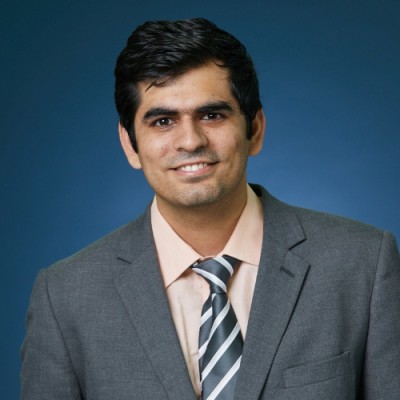
Polysaccharide Drug Substance Production: Optimization and Scale-up of Purification Unit Operations
12:00 PM EDT | 5:00 PM BST | 6:00 PM CEST
Surface polysaccharides (Lipopolysaccharides; LPS) of E.coli and Capsular Polysaccharides of Streptococcus pneumoniae located in the outer surface of cell wall of the bacteria are both a virulence factor and a target for protective antibodies. Antibodies against the O-antigen & capsular polysaccharides may confer protection against infections and thus vaccines have been developed by conjugation of O-Antigen & capsular polysaccharides to carrier proteins to enhance immunogenicity. Purification of O-Antigen & Capsular polysaccharides are a critical precursor for production polysaccharide-protein conjugate vaccines. This talk will discuss the purification unit operations employed to obtain pure polysaccharide drug substance and illustrate through examples the successful scale-up and addressing of challenges faced while optimizing the process.
Speaker:
Sidharth Razdan
Senior Scientist
Pfizer
View More Details +
Day 3 - May 20, 2026 - Novel Manufacturing Approaches
More Results with Less Effort—Automated Sampling of Bioprocess Cultures
9:00 AM EDT | 2:00 PM BST | 3:00 PM CEST
In the world of bioprocess, closely monitoring process parameters and analyzing samples at frequent timepoints is vital to maintain an optimal cell culture environment conducive to achieving high growth and productivity. However, with bioprocessing runs usually taking multiple days or even weeks, it is not always feasible. Sampling is often needed at inconvenient times and done by multiple users, leading to additional workload outside of working hours as well as possible inconsistency due to slight user-variations during the sampling procedure. Automated sampling can be a solution to these issues by providing consistent sampling and availability 24/7, eliminating the need for manual sampling altogether. Learn in this webinar how an automated sampling solution by Eppendorf helped to provide high growth, productivity, and sample stability of an antibody-producing mammalian cell line, allowing the user to gain more results with less effort.
Speaker:

Amanda Niles
Senior Research Scientist
Eppendorf Inc.
View More Details +
Robot-Compatible Sterile Connectors Enhance Cell Therapy Manufacturing
10:00 AM EDT | 3:00 PM BST | 4:00 PM CEST
Learn how automation and the use of robotics help patients with cell therapy accessibility by reducing processing time, lowering cost to patients, and expediting scale out of therapy manufacturing. With the rapid adoption of robotic systems in cell therapy, we have developed the first-ever aseptic connector designed for robotic operation. Learn how production automation can aid in the next generation of therapies.
Speaker:
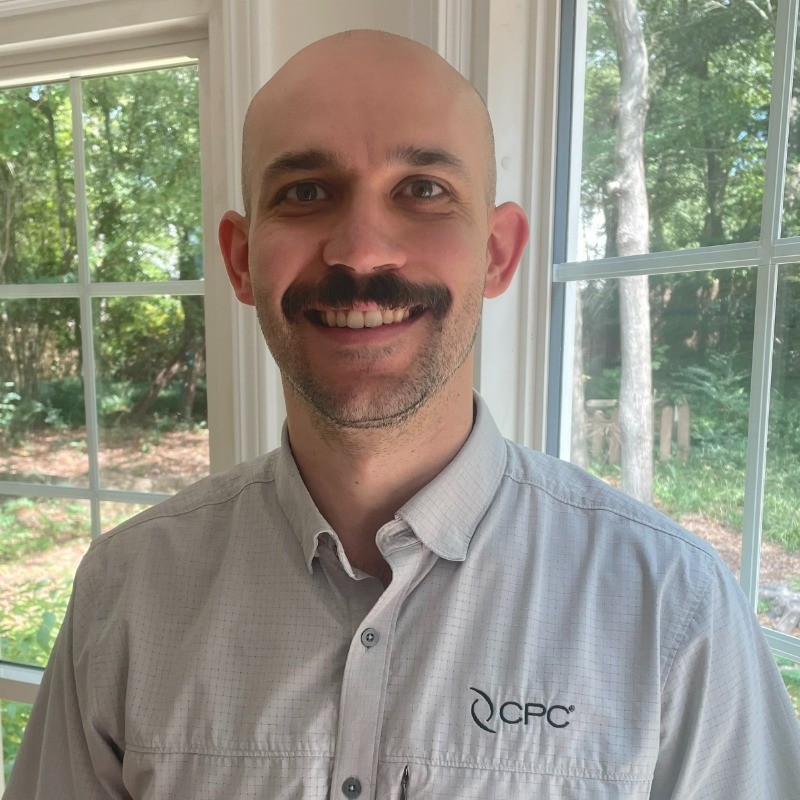
Nik Ekman
Application Development Manager, Cell and Gene Therapy
CPC
View More Details +
Utilizing Amino Acid Uptake and Simulation Tools for CHO Process Optimization
11:00 AM EDT | 4:00 PM BST | 5:00 PM CEST
Optimizing feeding strategies and amino acid concentrations is crucial for enhancing CHO cell metabolism and overall bioprocess performance. In this presentation, we will introduce an amino acid uptake rate calculator that leverages historical experiment data to effortlessly calculate amino acid uptake rates. Building on this, we will also present an innovative amino acid simulator tool that uses these uptake rates to simulate adjustments in process feeding and amino acid concentrations. By simplifying media complexity through enhanced predictability and boosting cost-efficiency by optimizing feeding strategies and resource allocation, these tools have been instrumental in achieving high-yield results. We will share a case study demonstrating how they have informed critical decisions in media formulation within laboratory settings, showcasing their impact on improving bioprocess performance and economic viability.
Speaker:

Shruti Santhosh
Engineer II
Biogen
View More Details +